Introduction
History
Workshops
Products
Galleries
Resources
 

Great News! Secure Credit Card Purchases are now enabled

See the Catalog page.
2Checkout.com, Inc.
is an authorized retailer
of Silverpoint Web


NEWS: (6/7/06)Exhibition:
The Luster of Silver:
Contemporary Metalpoint Drawings

Telfair Academy of Arts & Sciences
June 7- September 10, 2006

 
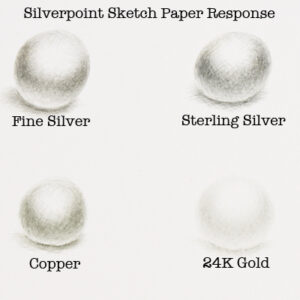
Gold points have been added (by request); see the Catalog page.
 
Several colleges have added silverpoint to the drawing curriculum; SilverpointWeb is proud to be the preferred supplier of information, materials and supplies. And if you'd like to offer your students this unique opportunity, see the Catalog page for Group Discounts!
 
Links to some clients' works have been added to the Contemporary Gallery; see what others have been doing!


Major Additions to the FAQs
— SilverpointWeb got Mail!


ACCOLADES!

"The only place I've found with such complete Silverpoint information and supplies- a generous and knowledgeable proprietor."
—S.B., NM

"Your ground worked admirably!"
—KS, VT

"Thanks for your continued e-mails, I feel I'm learning more from you than from my professors at SUNY Albany! Sad, isn't it?"
—M.C., NY

"Your ground is glorious, the surface is delicious to draw on."
—L.F., NJ

"Thank you for offering this needed niche of the art supply market."
—J.P., MA

"I am a metalpoint draughtsman, and I occasionally surf the web to see if anything's new. Your site is GREAT, GREAT, GREAT!"
—J.McG.

"The surface your ground provides is the best I have come across."
—BDM

"Thank you for such an informative web site!."
—C.S.

"You have the BEST Silverpoint site!"
—D.W., NV

"[Your surface] is, in the words of my 21-year old daughter, 'Sweeeet!' - It was a joy to work on! I now have three students working in Silverpoint, and I'm spreading the word."
—F.W., MA

Silverpoint Drawing Complete
Introduction to SilverPoint Web, and Silverpoint Drawing:


This site was developed in response to my frustration in trying to locate information and materials on and for the silverpoint medium, and is the result of more than five years of research (some of which was conducted in Her Majesty's Collection at Windsor Castle, and in the Prints and Drawings Collection of the British Museum, London) and much experimentation. Most of what has been published in current print sources about this ancient medium is incorrect; SilverPoint Web corrects the misinformation. (But I also give credit where credit is due.)

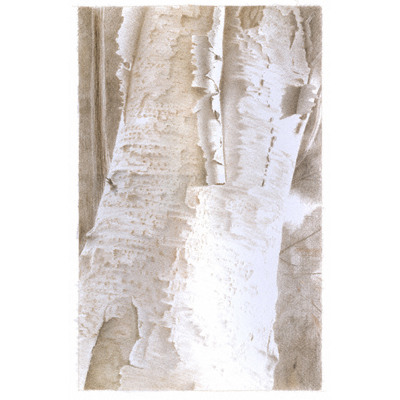
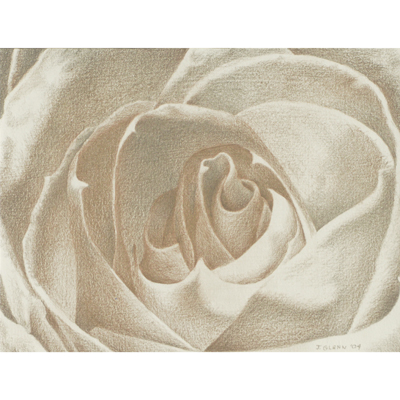
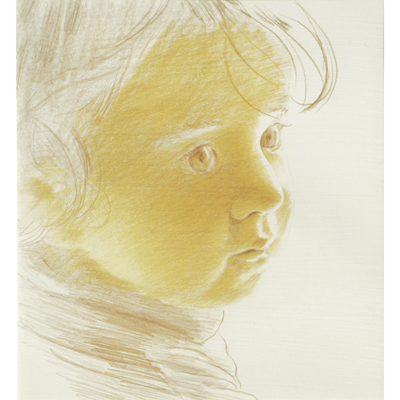
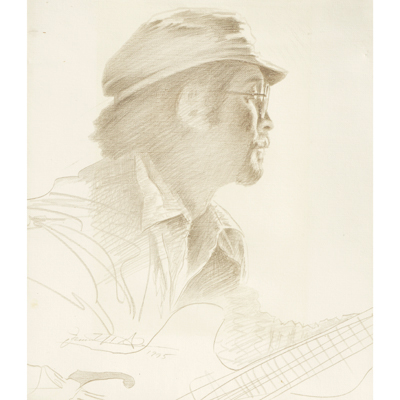
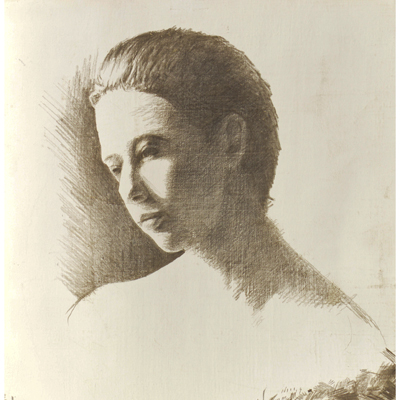
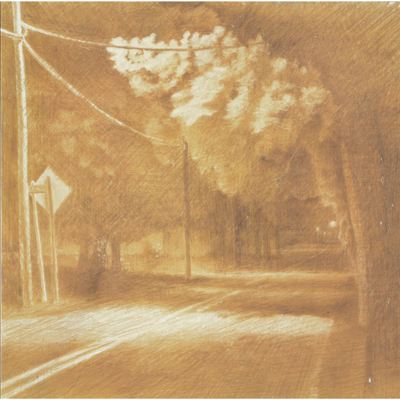
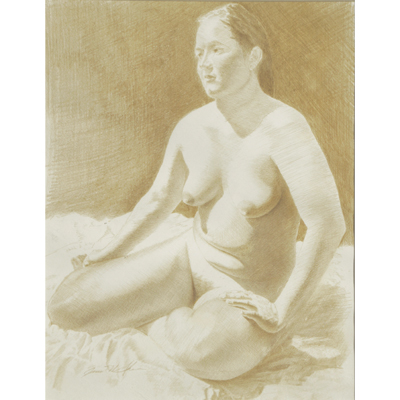
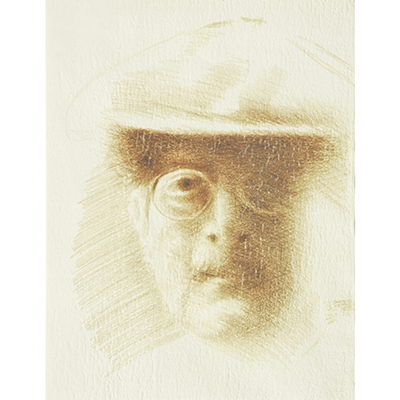
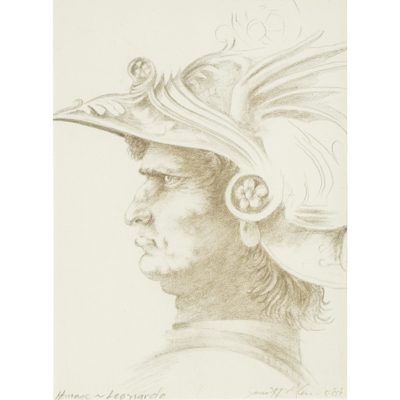
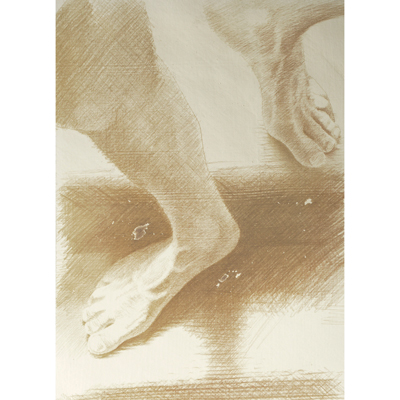
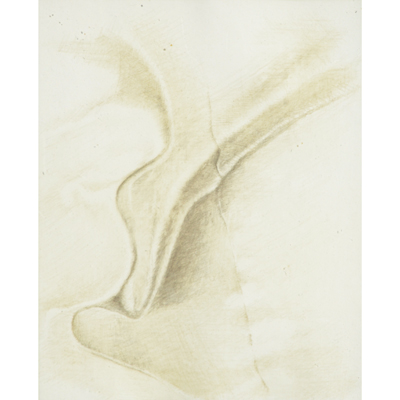
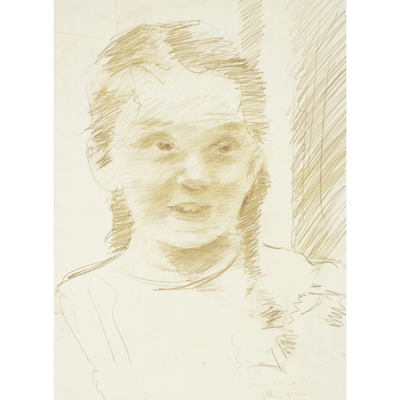
On this site you will find a brief history of the medium with an overview of the process, a discussion of some of the more notable practitioners, and two "gallery" areas, one of links to images available on the 'Web which show the tremendous range and promise of silverpoint, and the other of contemporary artists working in the medium.

More important to the practicing artist or fine arts student is

Actually drawing with silver!


  1. The workshops section which demonstrates the entire procedure required to produce a high-quality "silverpoint drawing," and

  2. The list of materials available including points, stylus, grounds, ground materials, plus do-it-yourself alternatives.
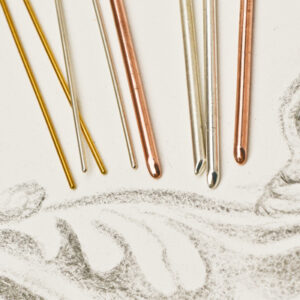
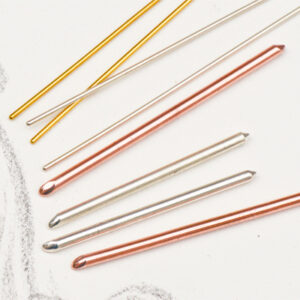
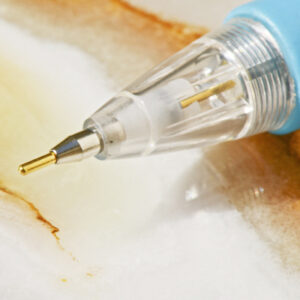
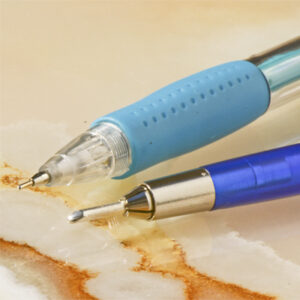
Two Styles of Styli

About Silverpoint Drawing:

"Metal point,  descendant of the stylus of classical times and ancestor of the modern pencil, a small, sharpened metal rod used for drawing precise compositions on paper or parchment. The metal could be lead, silver, copper, or gold, but silverpoint was the most common choice because it is the most suited to permanent drawing, its stroke adhering unerasably. The silverpoint was of great value in producing the hard, clearly defined line required, for instance, by miniaturists; modelling, emphasis, and light phenomena, however, had to be rendered either by means of repetitions, dense hatching, or blanks or else supplemented by other mediums." — Encyclopaedia Britannica (online), 1996.
"Metalpoint. Drawing instrument (the forerunner of the pencil) made from a small, pointed metal tip, usually of lead, silver, copper or gold, encased in a wooden holder. Metalpoint can be used on various supports, including paper, parchment, wood and ivory, but the surface usually requires a special preparation or ground for the metal to leave a mark. Paper, which is most commonly used, is coated with an opaque white or tinted ground composed of lead-white powdered bone, pigment and gum-water. Several layers are applied. The natural tone for the ground is off-white, but it can be colored with any pigment. The ground has to be sightly granular for the metalpoint stylus to rub off and must have sufficient 'tooth' to retain the metal particles..." — The Dictionary of Art, 1996
"Silver has long been the preferred metalpoint medium, due to the ease with which it slides over a prepared surface and responds to pressure and for its trait of tarnishing over time. The color of the silver is gray when it is first applied to a prepared surface. Upon tarnishing, the silver attains a warm, mellow, brown tonality. The degree and rate of transformation is dependent on exposure to air, pollution, and the chosen ground. Artists who have worked in the medium often greet the resulting change in color with a sense of excitement and surprise, a process categorized by Victor Koulbak as the 'self-developing of the drawing.' The silver radiates a soft, effusive tonality, an almost ghostly luminosity. Silver acquires a shimmer and, as a result, it catches and reflects light." — Bruce Weber, "Silverpoint Drawing," in American Artist, March 1986.

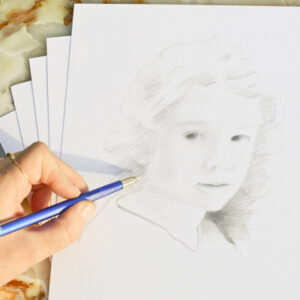
Silverpoint drawings have been described as elegant, delicate, and precise. They display the "hand of the artist" more than perhaps any other medium, and are more completely archival than any other; drawings from the late Medieval period through the Renaissance have survived to the present without damage due to the inertness and permanence of the materials. Although it is true that the process of creating a silverpoint drawing in the way of the "Old Masters" is time-consuming, the end result is well worth the effort. And there is something about the medium that encourages precision, depth, control and richness.

Contrary to descriptions in MANY current publications, it is possible for the contemporary artist to execute bold, expressive, modern works using silverpoint; the key is in the ground used. Although the points themselves can vary to some degree (i.e., diameter, alloy content, softness, and shape of the point), there is tremendous variety in the grounds which have been employed in preparing the surface. Contemporary sources almost exclusively describe the Gum Arabic formulation, and its readily-available watercolor/gouache derivatives. Still other publications and quite a few web sites describe acrylic mixtures which, although they allow a mark to be made, continue to allow the "faint" epithet to be true. A few commercially available alternatives may substitute rice paste or other non-permanent water-soluble binders. These grounds are self-limiting, and in my opinion come nowhere near fulfilling the promise of the medium.

The Old Master Formula Silverpoint Ground I provide allows a much greater lattitude in execution, and provides a surface upon which the artist can develop tonal depth to a tremendous degree. Bold, dark, expressive marks become possible, "chiaroscura" attains a brilliance - and yet, the medium retains its traditional precision and delicacy!

Artists are encouraged to explore, and dare to achieve the excellence their works deserve!


Note: Information on this site is provided free of charge and may be used in the practice of the fine artist or student, including the creation of works for sale, HOWEVER: All informational material on this site, with the exception of external links, is Copyrighted (© James Michael Glenn 1993-2003) and may not be reproduced nor redistributed in any form except in compliance with "Fair Use" guidelines as it applies to educational institutions and other education-related non-profit organizations. For any other use, contact the author for permission and/or publication.


Last update: January 2007